
As I get older, I find myself drifting back to childhood, revisiting some of my favorite memories. As a kid, one of the things I always looked forward to was spending time at my favorite bookstore, The Cumberland Book Shop in the MJ Mall in Carlisle, Pennsylvania. I could easily lose hours in that place. I loved being surrounded by books, and I have to admit, one of my childhood dreams was to own a bookstore when I grew up. That, sadly, never happened.
I bought a lot of books there. I was especially fond of Alfred Hitchcock and the Three Investigators—Jupiter Jones, Pete Crenshaw and Bob Andrews—their office in a trailer hidden in the Jones Salvage Yard was one of the coolest places I had ever encountered in a book as a kid and honestly, I still think it is. I never read the books in order, I always went for the editions that had the coolest titles and believe me, it was sometimes extremely difficult for me to pick which book I wanted to purchase. A few of the titles that caught my attention as a kid; The Secret of the Haunted Mirror, The Mystery of the Green Ghost, The Mystery of the Screaming Clock. Wow, what memories, indeed.
I also bought Nancy Drew books, but I can’t say that there was much about those stories that really made an impression. They were quick, fun reads with titles like The Haunted Showboat, The Moonstone Castle Mystery, The Secret of the Old Clock and so many more. I will say that I was really happy, when in 1977, on ABC network, I believe it was, that Nancy Drew and the Hardy Boys (I never read those books) came to life with Pamela Sue Martin as Nancy Drew and Shaun Cassidy and Parker Stevenson as Joe and Frank Hardy. I loved that show and was disappointed when the character of Nancy was dropped and the Hardy Boys were transformed into older more mature operatives that worked for the US government. I didn’t want the show to become more adult, I was still a kid!! Besides, there were plenty of adult cop/detective shows on already, who needed another one, but I digress.
Scary Books From John Bellairs and Others
There was a stretch during my childhood when I was reading a lot of scary books—scary, at least from a kid’s perspective. Authors like John Bellairs and Scott Corbett, along with others I sadly can’t recall now. Bummer.
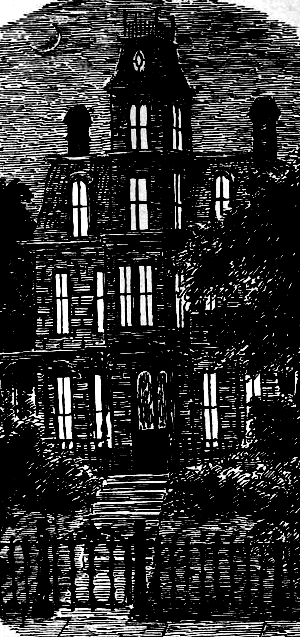 I really loved the Bellairs books, and his first, The House with a Clock in Its Walls, quickly made me a fan. I was especially taken with Lewis Barnavelt, the young hero of the story who was sent to live with his Uncle Jonathan in a big, old, slightly spooky house after the death of his parents. Uncle Jonathan’s house was the kind of house I always wanted to live in someday (minis the ticking clock set to launch doomsday, of course). After finishing the book, I could hardly wait to get back to the bookstore to see what other Bellairs’s titles they had in stock.
 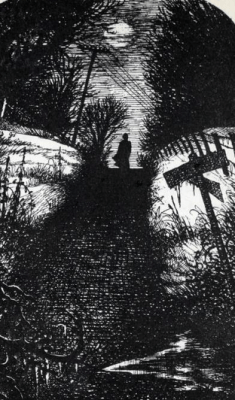 When I spotted The Figure in the Shadows, I knew immediately what my next purchase would be and I wasn’t disappointed.
I can still vividly recall the illustrations from that book, especially one that sent chills down my spine. It showed a solitary figure making its way down a lonely road. I could almost hear the rustling leaves and picture the long, cape-like coat billowing in the night air. The scene had that quiet, creeping feeling to it—the figure moving steadily forward, one step at a time, closing in on an unsuspecting Lewis. The illustrations were done by Edward Gorey, and he had a real knack for bringing Bellairs’ eerie worlds to life. Sadly, both John and Edward are gone.
Batman Superman and Wonder Woman
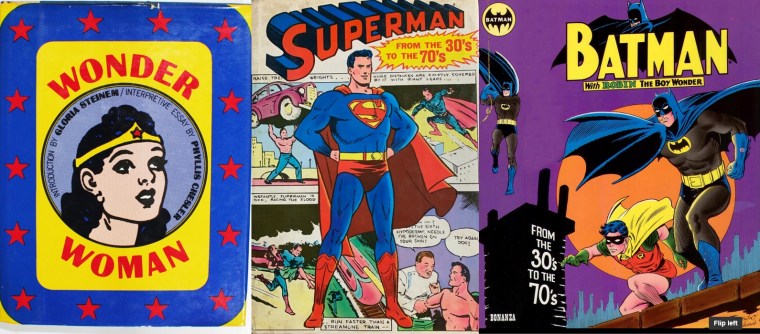
I also remember—at least vaguely—buying three hardcover books: Batman from the 1930s to the 1970s, Superman from the 1930s to the 1970s, and Wonder Woman sometime around 1977, possibly 1978. I still have them, packed away somewhere in my store room, though it would probably take me days—maybe weeks—to dig them out. So I did the next best thing and looked them up on eBay. I found that Batman and Superman sold for $12.95 each, and Wonder Woman for $6.95. There’s no way I paid full price for all three—that would’ve been over $30, which to a kid like me back then, was a small fortune. My guess is they came from the store’s discount table. Whether I bought them all at once or one at a time, I really couldn’t say. All I know is that I ended up with them—and still have them, minus their dust jackets. Another bummer.
As for why I bought them… well, that part’s a little easier. I liked Batman and Wonder Woman, so those were easy choices. Superman, on the other hand? I wasn’t much of a fan then, and I’m still not now. So my best guess is that it was discounted too and it completed the makeshift set. That’s my story, and I’m sticking to it. :)
As the titles suggest, the Batman and Superman books collect some of the best comic strips for each hero from the 1930s through the 1970s. Years after the fact, I discovered there was a Shazam edition (Shazam! From the 40’s to the 70’s) that I would have probably purchased if it had been available and discounted, too. I wasn’t too familiar with that comic series, except for seeing Captain Marvel in the 70s Saturday morning live-action series Shazam/Isis Hour which ran from 1974-76.
The Wonder Woman volume focuses more on her early appearances from the 1940s, when she was created by William Moulton Marston. It really comes across as a tribute to one of the first female superheroes—an icon for young girls of that era, and honestly, still today. And, yep, I bet you guessed it, in 1974 there was a Wonder Woman television movie starring Cathy Lee Crosby and eventually a series starring Lynda Carter in the role and I loved both of those!
But, I admit I did very much enjoy reading those books, it was a nice introduction to the comic series. I didn’t purchase many comic books as a kid, I was more a teen magazine reader, but I do have a few Wonder Woman and Superman comics (the Superman I inherited from my brother when he outgrew reading comics) in my magazine collection.
Well, enough walking down memory lane for now. What about you, do you have favorite books from childhood? Favorite memories from childhood to visit from time to time?
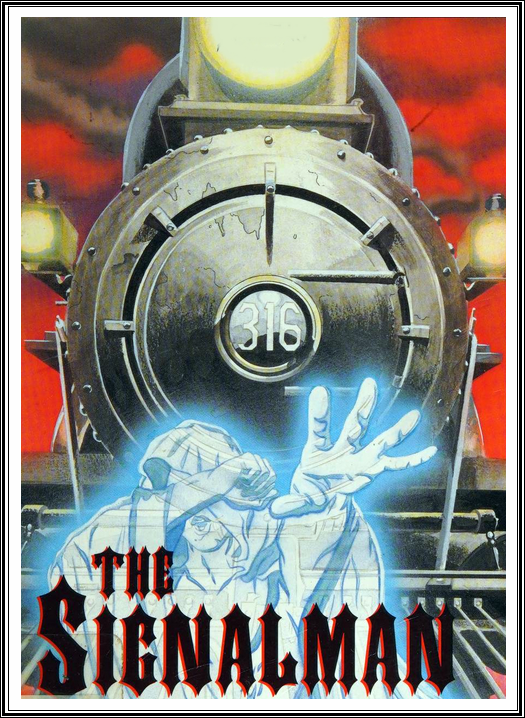 On June 9, 1865, Charles Dickens was caught in a serious train accident known as the Staplehurst Disaster. The train he was riding on derailed as it crossed a damaged railway bridge and plunged toward the river below. Miraculously, the coach Dickens was in teetered on the edge of the bridge without falling. He managed to climb out and spent the next hours helping rescue injured passengers.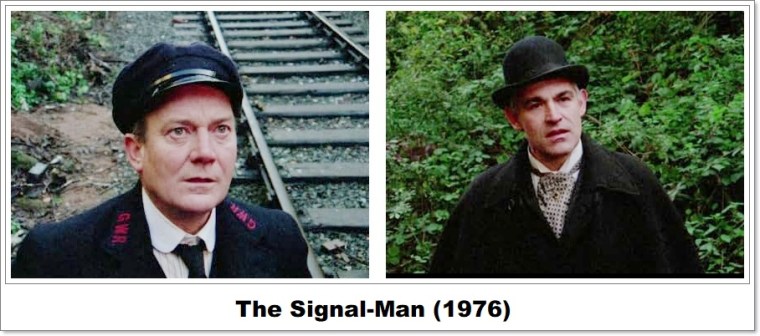
 grapleslife.org