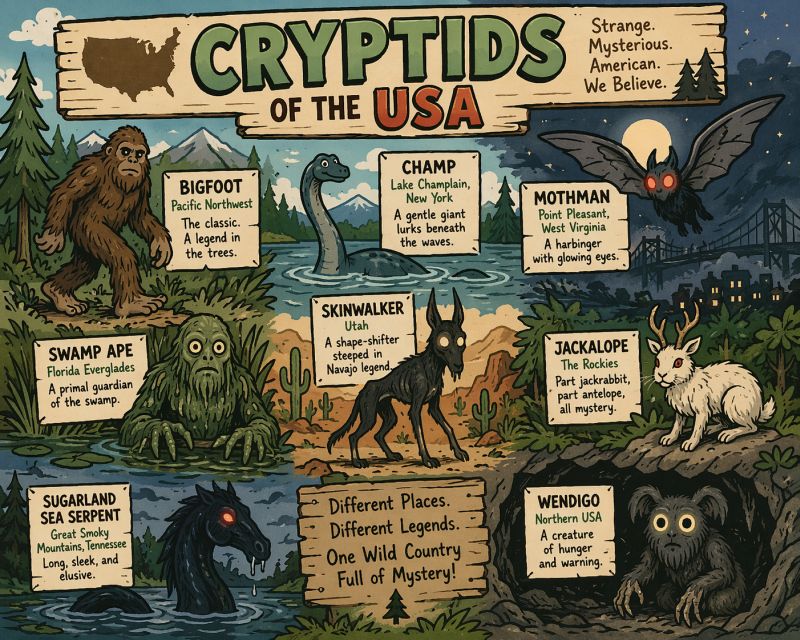
 I admit it, I like things that are odd, spooky, creepy, weird, etc, etc, etc., and the United States is a goldmine for “cryptids”—fit nicely on this list. Cryptids, for those who are unaware, are mysterious creatures that inhabit our folklore and campfire stories, even if they’ve never been caught on camera by a scientist. From the towering, ape-like Bigfoot to elusive lake monsters, winged terrors, and shape-shifting anomalies, these beings are woven into the fabric of our landscapes. Whether rooted in ancient Indigenous traditions, pioneer tall tales, or modern urban legends, these creatures seem to claim the wildest corners of our country, from deep swamps and dark forests to mist-covered mountains.
While icons like Bigfoot or the Mothman are famous nationwide, most cryptids are local celebrities, tied closely to a single state or region. I’ve put together a guide to the most well-known cryptid in every state, drawing from cryptozoology books, folklore anthologies, and popular enthusiast databases like Brilliant Maps. For every state, you’ll find one or two standout creatures, along with a quick look at what they are and the legends that keep them alive.
I’ve organized it alphabetically by state for easy reference.
- Alabama — White Thang-A large, white-furred, ape-like creature (sometimes described as an albino Bigfoot or lion-like beast) with glowing red eyes. Sightings date back decades, often in rural wooded areas; it’s tied to eerie howls and livestock attacks.
- Alaska — Tizheruk (or Iliamna Lake Monster)- A massive, serpentine or whale-like aquatic creature in Iliamna Lake and coastal waters. Inuit legends describe it as a giant eel- or crocodile-like beast that can snatch people or boats.
- Arizona — Mogollon Monster-A tall, hairy, ape-like being with red eyes and a foul odor, said to roam the Mogollon Rim’s dense forests. Reports include screams and rock-throwing behavior similar to Bigfoot.
- Arkansas — Fouke Monster (or White River Monster in some lists). A hairy, bipedal humanoid from the swamps near Fouke (inspired the film The Legend of Boggy Creek). The White River version is more serpentine/aquatic in eastern Arkansas.
- California — Tahoe Tessie (or Dark Watchers / Fresno Nightcrawlers in other contexts)
A large lake serpent in Lake Tahoe. The Dark Watchers are tall, shadowy humanoid figures seen in the Santa Lucia Mountains, while Fresno Nightcrawlers are bizarre, leg-only entities caught on video. - Colorado — Slide-Rock Bolter-A gigantic, whale-like creature in the Rockies that uses hooks on its split tail to cling to mountainsides and ambush prey by sliding down slopes at high speed. It is said to have slits for eyes, a mouth that runs all the way behind its ears and loves to eat tourists. You have been warned! :)
- Connecticut — Melon Heads. Small, humanoids with large heads said to be escaped asylum patients or inbred mutants living in woods; aggressive toward intruders. Said to be mostly associated with Fairfield county area.
- Delaware — Zwaanendael Merman (or Pukwudgie in some regional overlaps). A merman-like sea creature reported off the coast; Pukwudgie (a troll-like trickster from nearby Algonquian lore) sometimes extends here. Also the Selbyville Swamp Monster
- Florida — Skunk Ape. Florida’s Bigfoot equivalent: a foul-smelling, hairy humanoid in the Everglades and swamps, often linked to misidentified bears or escaped primates.
- Georgia — Altamaha-ha (Altie) A serpentine river monster in the Altamaha River, described as 20-30 feet long with flippers or a crocodile-like head.
- Hawaii — Menehune. Small, dwarf-like builders from Hawaiian mythology (not always “cryptid” in the modern sense but often treated as such); nocturnal workers who construct structures overnight.
- Idaho — Sharlie (or Lake Payette Monster). A serpentine lake creature in Payette Lake, similar to Nessie, with hump sightings dating back over a century.
- Illinois — Enfield Horror. A three-legged, gray, kangaroo-like creature with glowing pink eyes that attacked people in 1973; one of the stranger “hopping” cryptids. Though, stories of the Horror date back to the early to 1940s.
- Indiana — Meshekenabek (or other local beasts like the Pope Lick Monster in nearby areas). A water-based or reptilian creature in folklore; some lists tie Indiana to werewolf-like or frogman variants.
- Iowa — Various lesser-known (e.g., Van Meter Monster in nearby contexts). Often overlaps with Midwest dogmen or thunderbirds.
- Kansas — Often linked to Spook Lights or variations of Bigfoot-like beings.
- Kentucky — Pope Lick Monster (or Goatman) A half-man, half-goat hybrid under a trestle bridge who lures victims to their death (tied to urban legends and train accidents).
- Louisiana — Rougarou (or Honey Island Swamp Monster). A werewolf-like creature from Cajun folklore, often a cursed human; Honey Island version is more Bigfoot-like in swamps.
- Maine — Variations of Bigfoot or lake monsters. Also Specter Moose first reported in the late 1890s in Allagash and Millinocket woods. Hunters reported encounters with a ghostly white colored moose that stood as high as 15 feet.
- Maryland — Snallygaster. A dragon-like or bird-reptile hybrid with tentacles, iron beak, and one eye; 19th-20th century hoax/newspaper tales in Frederick area.
- Massachusetts — Variations of Thunderbird or sea serpents.
- Michigan — Michigan Dogman. A 7-foot-tall, wolf-headed humanoid with aggressive behavior; sightings spike in the north woods, often tied to Native lore.
- Minnesota — Often Bigfoot or lake monsters. Wendigos
- Mississippi — Variations of swamp creatures. Mississippi River Monster
- Missouri — Momo (Missouri Monster) A tall, hairy, foul-smelling ape-man similar to Bigfoot, with 1970s sightings near Louisiana, MO.
- Montana — Often Bigfoot or Thunderbird. Also Shunka Warakin – Strange wolf-hyena creature.
- Nebraska — Often variations of Bigfoot or local beasts. Alma Vampire legend.
- Nevada — Often desert variants or skinwalker overlaps. Tessie a Lake Tahoe serpent.
- New Hampshire — Often lake monsters or Bigfoot. Also Wood Devils hairy wild men from the colonial era.
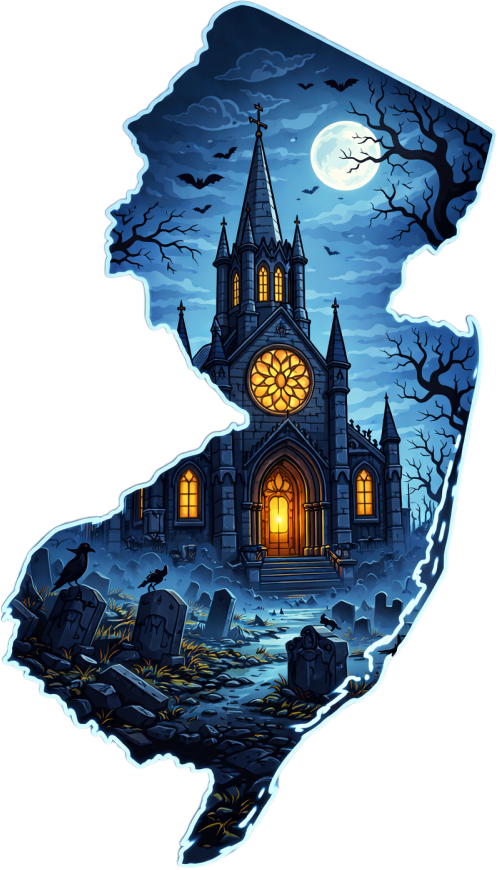
- New Jersey — Jersey Devil. A winged, hoofed, goat-headed creature born from a cursed 13th child in the Pine Barrens; one of America’s most iconic cryptids with centuries of lore.
- New Mexico — Thunderbird (or variations like skinwalkers in Navajo areas). A massive, storm-controlling bird from Indigenous lore.
- New York — Champ (Champy). Lake Champlain’s plesiosaur-like serpent; long-necked aquatic monster with hundreds of sightings.
- North Carolina — Beast of Bladenboro or variations.
- North Dakota — Often Wendigo influences or lake creatures. Also Beast of Bladenboro associated with the killing of livestock in the 1950s.
- Ohio — Loveland Frogmen. Bipedal, frog-like humanoids seen along roadsides, carrying wands or bags; 1955 and 1972 sightings.
- Oklahoma — Oklahoma Octopus. A giant freshwater octopus in lakes, said to drown swimmers (debated due to biology).
- Oregon — Bigfoot hotspots (or variations like Batsquatch in nearby Pacific Northwest).
- Pennsylvania — Squonk (or Jersey Devil overlaps). A tearful, shy creature that dissolves into tears when captured; from lumberjack folklore. Also Raystown Ray, a large creature that inhabits Raystown Lake.
- Rhode Island — Often sea serpents or vampire lore (e.g., Mercy Brown). Also the Glocester Ghoul.
- South Carolina — Lizard Man of Scape Ore Swamp. A 7-foot reptilian humanoid with red eyes; 1988 attack reports.
- South Dakota — Walgren Lake Monster (or Alkali Lake variants).A horned serpent or lake beast.
- Tennessee — Tennessee Wildman. A hairy, screaming humanoid similar to Bigfoot.
- Texas — Lake Worth Monster (or Goatman variants). A goat-horned, scale-covered humanoid that threw tires at cars in 1969.
- Utah — Skinwalkers (Yee Naaldlooshii) Navajo shape-shifters (often wolf-like) tied to witchcraft; taboo and feared.
- Vermont — Champ overlaps (Lake Champlain). Also the Bennington Monster, a Bigfoot like creature associated with Glastenbury Mountain.
- Virginia — Snallygaster or Bigfoot variants. Also Bunny Man an axe-welding man associated with Fairfax County.
- Washington — Bigfoot (Sasquatch). The definitive U.S. cryptid: tall, hairy, bipedal ape-man; thousands of sightings, especially in the Pacific Northwest. Also a Batsquatch that began appearing after volcano erruption of 1980.
West Virginia — Mothman. A winged, red-eyed humanoid with prophetic associations (linked to 1960s sightings and the Silver Bridge collapse). - Wisconsin — Beast of Bray Road. A werewolf-like or dogman creature seen on rural roads near Elkhorn; inspired books and films.
- Wyoming — Jackalope. A rabbit with antelope horns; more hoax/folklore than scary, but iconic in tourism and tall tales.
Many states share cryptids (e.g., Bigfoot in dozens, Thunderbird in Western/Indigenous areas, or dogman/werewolf types in the Midwest). Some are more “popular” based on search interest or media (e.g., Mothman or Jersey Devil dominate their states culturally). Edge cases include creatures that blur folklore vs. cryptid (like Menehune or Skinwalkers) or modern “evidence” (e.g., photos/videos of Nightcrawlers).
 I admit that to me, one of life’s most simple pleasures, is having access to old newspapers thanks to newspapers.com. I am not affiliated or sponsored by that website. I pay for my own yearly subscription out of my own pocket, just to be transparent.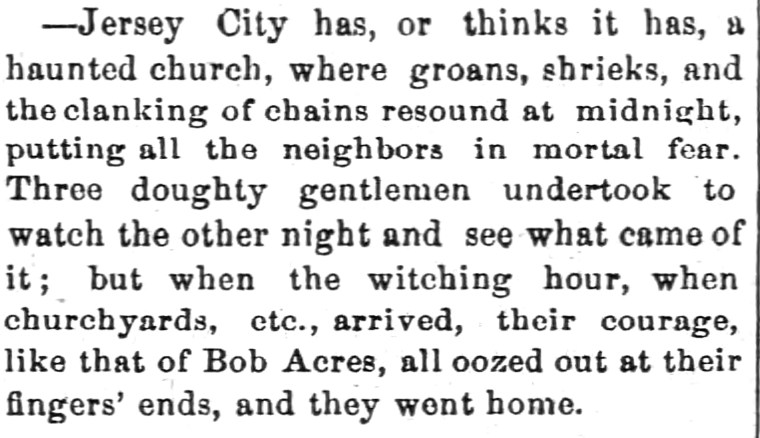
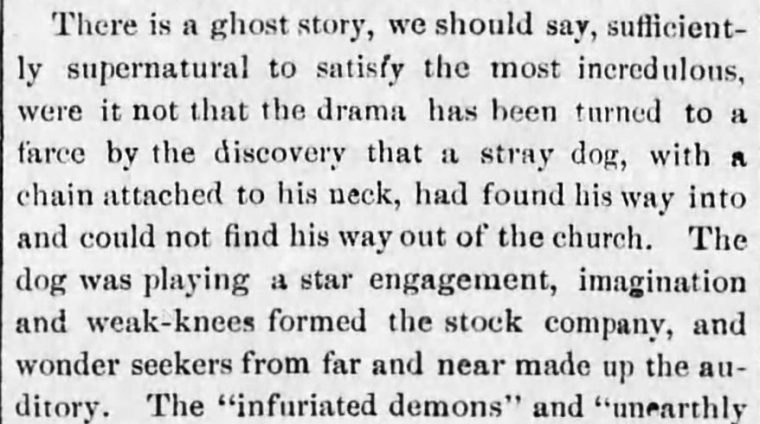
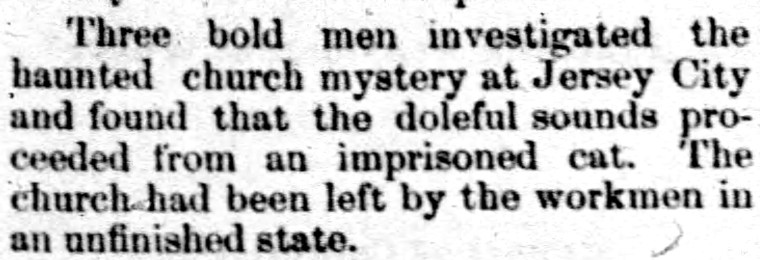
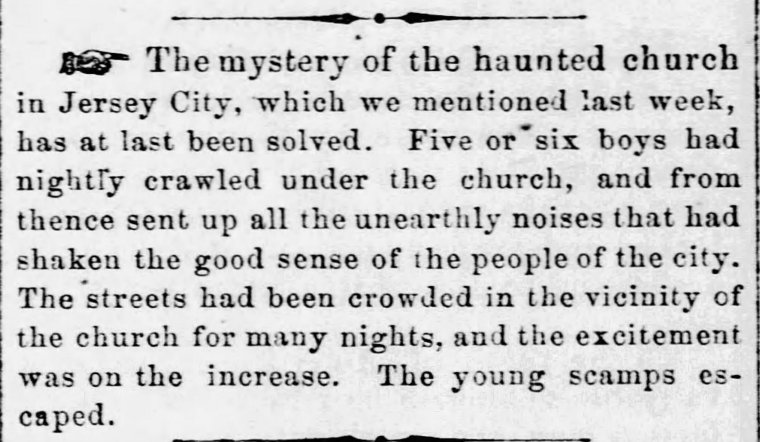
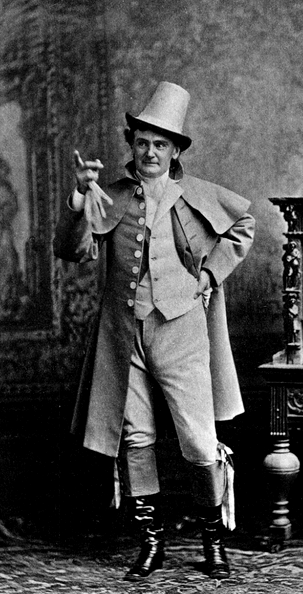 Oh, and the one article that mentions Bob Acres-well, I admit I had to do some research on that and discovered he is a fictional character from Richard Brinsley Sheridan’s classic 1775 comedy of manners, The Rivals. The character was popular in 19th-century theatre, and was often described as being comic, naive and cowardly.
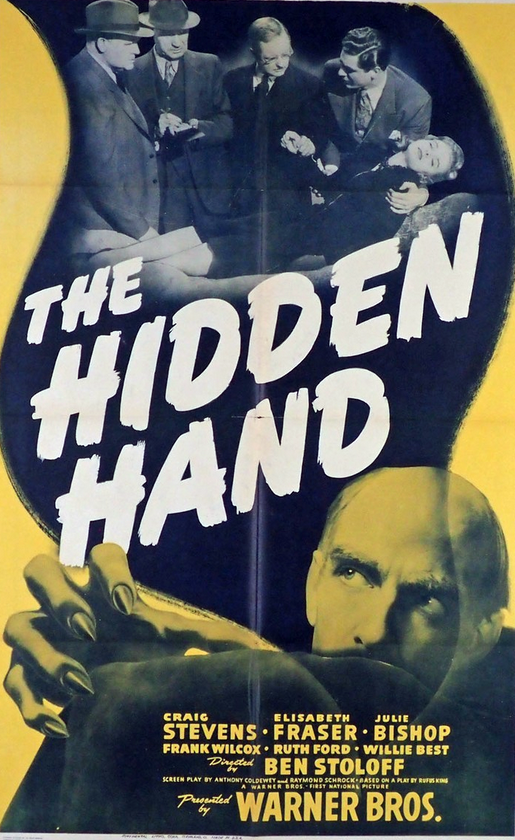 The Hidden Hand is a 1942 American comedy-horror mystery about greed, inheritance plots, and a very unusual scheme involving an escaped mental patient.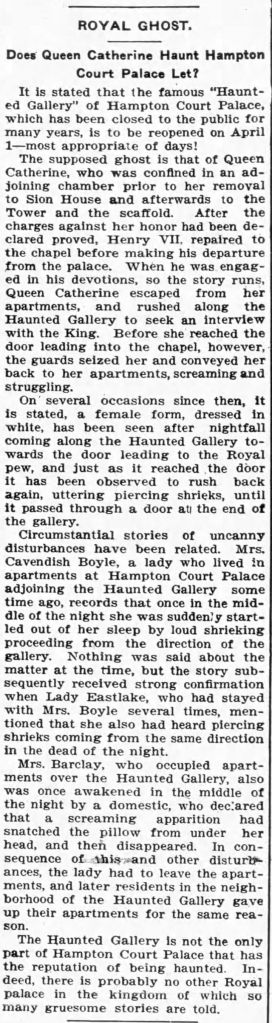
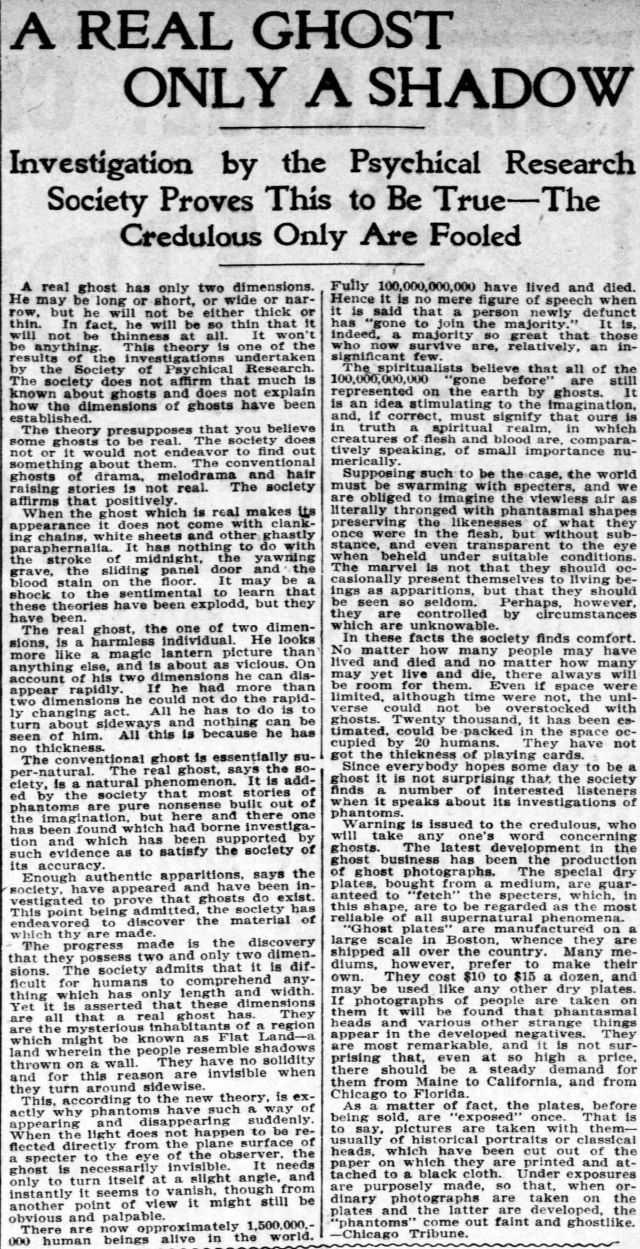
 This story appeared in the Friday, December 9, 1898 edition of the Portsmouth Daily Chronicle in Portsmouth, New Hampshire. The clipping (which I saved as an image file) was difficult to read, so I had some help from a website that converted it from image to text which I share below. I believe the article was reporting on an event that happened in Ohio.
 grapleslife.org